
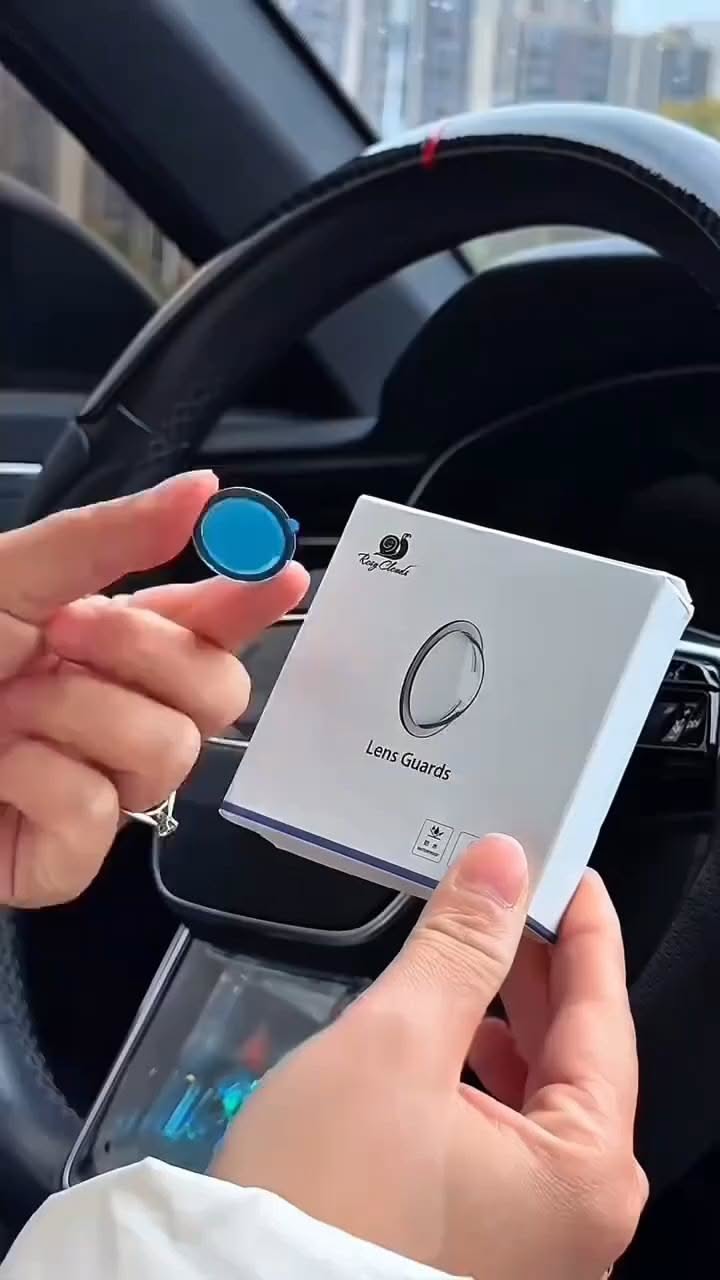
A tiny add-on that keeps exterior car cameras clear in rain, grime, and daily road abuse
Modern vehicles rely heavily on backup, front, and surround-view cameras, but those exposed lenses sit directly in the path of water spray, dust, salt, and small debris. This protector is a simple physical upgrade: a compact tempered-glass shield with a hydrophobic outer coating that helps water bead and slide away instead of clinging to the camera lens and blurring your view.
The Standout Appeal & Why It Caught Our Attention
What makes this accessory interesting is how it solves a very specific annoyance that most drivers accept as normal: exterior cameras becoming nearly useless in bad weather. Rather than replacing the camera or adding a bulky hood, this design uses a clear, low-profile lens guard that preserves the factory look while adding both protection and visibility benefits.
- Dual-purpose design: It works as both a scratch shield and a rain-management layer.
- OEM-friendly approach: The small circular format sits directly over the existing camera without changing the vehicle’s styling.
- Useful where cameras matter most: Especially relevant for reversing, tight parking, curb checks, and front camera visibility in wet conditions.
Key Features & How It Works
The product shown appears to be a peel-and-stick camera lens guard packaged as “Lens Guards” under the RazyCloud name. The construction and use case align with a tempered-glass protector made for external automotive cameras.
- High-transparency tempered glass: Typically built with 9H hardness to resist scratches, swirl marks, and minor impact from grit or road debris.
- Hydrophobic coating: The outer layer encourages water to form droplets and roll off quickly, reducing the smeared, foggy look common on wet camera lenses.
- Anti-reflective surface treatment: Helps maintain image clarity by minimizing glare and unwanted reflections on the added cover.
- Direct adhesive mounting: A simple peel-and-stick backing lets it attach over the factory camera housing without tools or wiring.
- Compact domed/circular profile: The rounded shape is designed to match small automotive camera modules on rear trim, front grilles, and side mirrors.
- Multi-camera compatibility concept: The images show use on rear cameras, front grille cameras, and mirror-mounted cameras, suggesting the product is intended for several external camera positions if sizing matches.
Practical Everyday Uses
This is the kind of accessory that becomes most valuable when visibility is already compromised and you need the camera feed to be trustworthy.
- Rainy-day reversing: Drivers who depend on a backup camera in apartment garages, narrow driveways, or crowded parking lots get a clearer image when water would normally cling to the lens.
- Highway and winter driving: Vehicles exposed to road spray, slush, and grit can use the protector as a sacrificial layer instead of letting the original camera lens take the abuse.
- Large SUV and premium car owners: Cars with front parking cameras or 360-degree systems benefit more because those camera views are used frequently for curb avoidance and close-quarters maneuvering.
Things To Consider Before Buying
As useful as this is, fit and installation matter more than with a generic car accessory.
- Check camera size and shape: Exterior vehicle cameras vary by brand and model, so confirm the protector diameter matches your specific lens housing.
- Clean the surface carefully before installation: Any dust, wax, or moisture trapped underneath can affect adhesion and optical clarity.
- Expect protection, not invisibility: It helps reduce water buildup and scratches, but it will not completely eliminate mud splatter or the need for occasional cleaning.
- Watch for image distortion: A poorly matched protector or low-quality adhesive alignment can interfere with sharpness, especially on wide-angle cameras.
- Consider camera location: Front grille and rear cameras often collect more grime than mirror cameras, so replacement intervals may differ depending on where it is installed.