
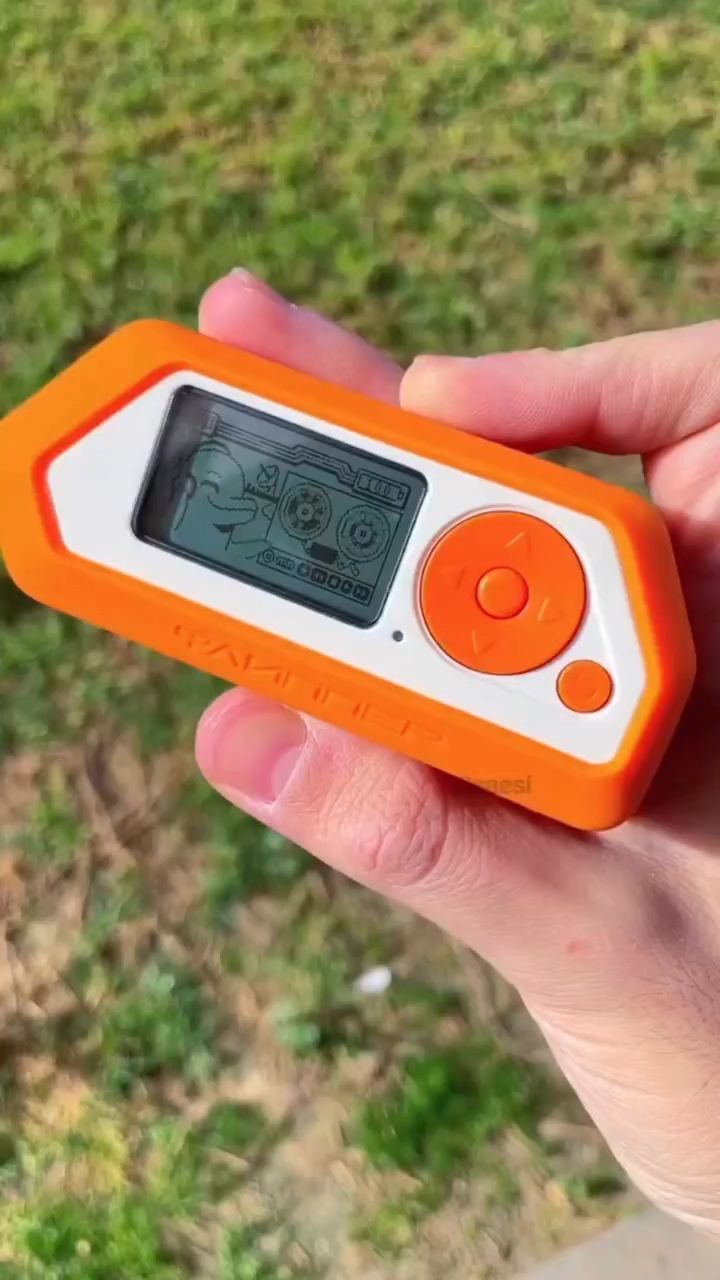
A pocket-sized wireless testing tool that brings infrared, RFID, NFC and radio experiments into one handheld unit
The Flipper Zero is one of those rare physical tech tools that instantly stands out because it combines several normally separate hardware testers into a single, playful handheld body. It looks approachable, almost toy-like, but its real appeal is that it gives security researchers, tinkerers, and hardware enthusiasts a compact way to interact with everyday access systems, remotes, tags, and connected electronics from one screen-and-button interface.
The Standout Appeal & Why It Caught Our Attention
What makes the Flipper Zero fascinating is its blend of serious hardware utility and friendly industrial design. Instead of looking like lab equipment, it uses a compact white-and-orange shell, a monochrome display, and a simple directional pad that make advanced radio and access-control testing feel unusually accessible. The dolphin-themed interface softens the learning curve, but the hardware underneath is built for real interaction with physical systems around you.
- All-in-one approach: It consolidates multiple short-range communication tools that would otherwise require several separate readers, remotes, or adapters.
- Portable form factor: Small enough for a pocket, which matters because this is the kind of tool that becomes useful in the field, at a gate, near an intercom, around office access points, or while troubleshooting home electronics.
- Hands-on experimentation: Unlike purely software-based security tools, this one is about interacting with the physical world: badges, remotes, readers, keypads, and embedded systems.
Key Features & How It Works
Based on the device shown, this is the Flipper Zero, recognizable by its angular body, orange navigation pad, compact screen, and side branding. Its core value comes from combining several radios and interfaces into one handheld platform.
- Infrared transmitter and receiver: Useful for learning, storing, and replaying commands from compatible IR remotes such as TVs, air conditioners, and other consumer electronics that still rely on line-of-sight control.
- RFID and NFC support: The device can read certain contactless cards, key fobs, and tags, making it useful for inventorying, testing, and studying access systems and automation tags.
- Sub-GHz wireless tools: A major part of the Flipper Zero ecosystem is its ability to analyze and interact with supported low-frequency radio signals used by some remotes, sensors, and automation hardware.
- USB connectivity: The images show it plugged into a phone, highlighting that it can work alongside external devices for data transfer, scripting, or expanded workflows.
- Physical controls and onboard screen: The directional pad and simple display make it practical to navigate menus quickly without needing a laptop every time.
- Compact rugged shell: The thick outer frame and recessed screen design suggest a device meant to be carried, handled outdoors, and used on location rather than left on a desk.
- Expandable enthusiast platform: Part of its popularity comes from the broader community around apps, firmware, accessories, and GPIO-based experimentation.
It is important to frame this correctly: the Flipper Zero is best understood as a portable hardware interaction and security research tool, not a magic universal unlocker. Real-world compatibility depends heavily on the protocol, security implementation, firmware support, and whether the target system uses rolling codes, encryption, or protected credentials.
Practical Everyday Uses
For the right user, this becomes less of a novelty and more of a versatile field tool.
- Home tech organization: You can consolidate and test supported infrared remotes around the house, identify old access fobs, and better understand what protocols your devices actually use.
- Maker and electronics projects: If you build with microcontrollers, sensors, or access modules, the Flipper Zero can help inspect signals, test interactions, and speed up prototyping.
- Authorized security auditing and training: For cybersecurity learners and professionals working with permission, it offers a tactile way to study how physical access systems, remotes, and wireless interfaces behave in the real world.
Things To Consider Before Buying
This is a highly capable tool, but it is not for everyone. Its usefulness depends on your technical curiosity, legal awareness, and willingness to learn protocols rather than expecting one-button results.
- Know the legal boundaries: Only use it on systems, tags, remotes, and access controls you own or are explicitly authorized to test.
- Expect a learning curve: To get real value from it, you will need to understand at least the basics of RFID, NFC, infrared, and radio protocols.
- Compatibility is not universal: Many modern systems use encryption, rolling codes, or secure implementations that limit replay or cloning.
- Accessories may matter: Depending on your use case, you may want cables, cases, development add-ons, or external modules.
- Best for enthusiasts and professionals: Casual buyers may enjoy the novelty, but the strongest value comes when you actively tinker, test, document, or research hardware systems.