
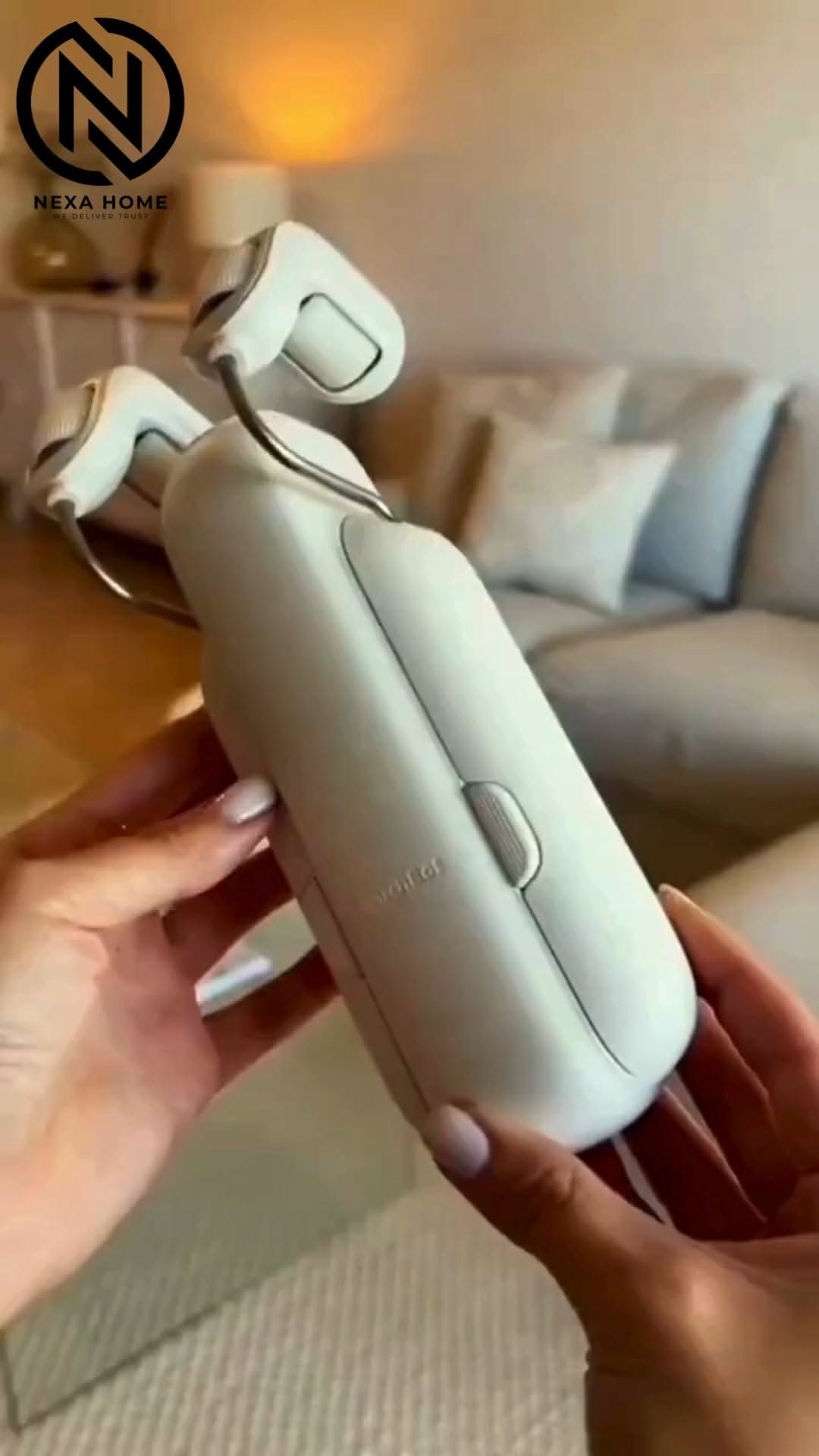
A no-drill motorized curtain upgrade that turns ordinary rods into app-controlled smart window coverings
The SwitchBot Curtain 3 is a compact motorized curtain opener built to clamp onto an existing rod-style curtain track, letting you automate opening and closing without replacing your curtains or installing a full custom system. It takes a very manual household task and turns it into something you can trigger from your phone, on a schedule, or through voice control.
The Standout Appeal & Why It Caught Our Attention
What makes this product interesting is how little it asks you to change. Traditional motorized curtains usually mean new tracks, wiring, drilling, or a more expensive built-in setup. This unit instead uses a self-contained motorized carriage that rides directly along your existing curtain rod, making smart curtains far more approachable for renters, apartment dwellers, and anyone who wants automation without remodeling.
- No-tool installation is the real hook: it snaps onto compatible rods instead of requiring permanent hardware changes.
- The minimal white plastic body is intentionally understated, so it blends into neutral interiors rather than looking like exposed tech.
- Its appeal is practical as much as futuristic: better morning light routines, easier privacy control, and less reaching behind furniture or tall windows.
Key Features & How It Works
The device uses a motorized wheel system mounted at the top of the body to grip and travel along a curtain rod while pulling the curtain fabric with it. The elongated housing hangs vertically beneath the rod, keeping the motor and battery in a compact, balanced form that doesn’t dominate the window visually.
- Rod-style compatibility: this version is designed specifically for curtain rods rather than ceiling rails, which is important when choosing the correct model.
- Snap-on mounting design: the upper arm and wheel assembly attaches around the rod, avoiding drilling or track replacement.
- App control: the interface shown supports open, pause, and close commands, plus adjustable positioning for partial opening.
- Scheduling support: users can set timed routines, such as opening at sunrise hours or closing automatically in the evening.
- Smart home connectivity: supports Bluetooth, and with the proper setup can integrate with Wi‑Fi and voice assistants like Alexa and Google Home.
- Compact integrated body: the smooth plastic shell protects the motorized internals while keeping the device lightweight and visually clean.
In use, the opener travels along the rod to draw the curtain open or closed. Instead of motorizing the entire curtain system, it motorizes the movement itself, which is why installation is so much simpler than conventional automated drapery hardware.
Practical Everyday Uses
This is the kind of smart home upgrade that becomes most valuable in routines you repeat every day.
- Bedroom wake-up automation: schedule curtains to open gradually in the morning so natural light helps you wake up without immediately reaching for your phone.
- Living room privacy control: close curtains at sunset or with a voice command when you’re watching TV, hosting guests, or reducing glare.
- Hard-to-reach windows: especially useful when curtains sit behind sofas, desks, or beds where manual opening is awkward.
Things To Consider Before Buying
Before ordering, the most important step is confirming that your curtain setup matches the rod-style version of the product. Smart curtain openers are highly dependent on hardware compatibility.
- Check rod type and diameter: make sure your curtain rod shape and size are supported by the Curtain 3 rod model.
- Consider curtain weight: heavier blackout curtains may affect performance compared with lighter sheers or standard drapes.
- Plan for connectivity: Bluetooth control is straightforward nearby, but full remote access and some voice features may require additional Wi‑Fi integration hardware depending on your setup.
- Mind curtain friction: if your curtains already drag or snag on the rod, automation won’t fully solve that underlying issue.
- Charging and maintenance: as a motorized unit, it will need periodic power management rather than being a fit-and-forget mechanical accessory.