
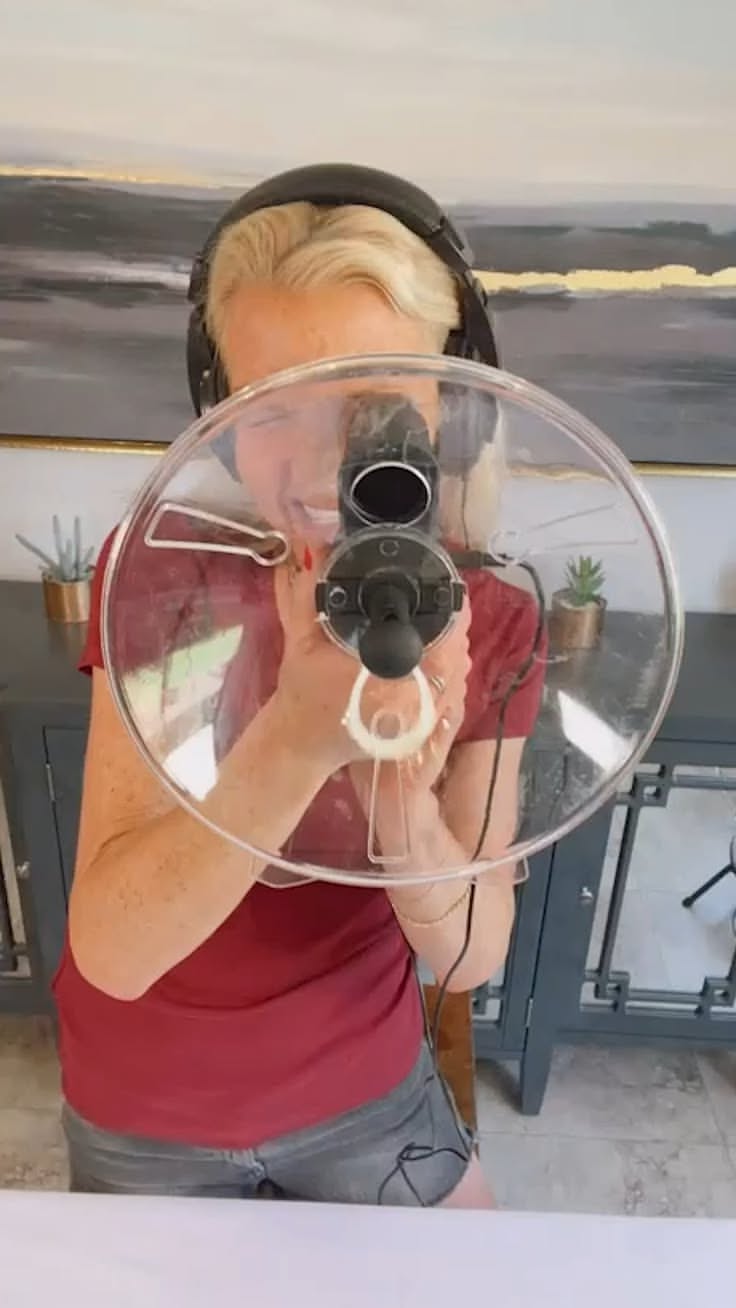
A handheld bionic ear that lets you hear distant wildlife without getting close enough to scare it away
The Hausbell parabolic listening device combines a directional sound collector with an 8x monocular, turning birdwatching and backyard nature spotting into something much more interactive. Instead of relying only on eyesight, it helps users isolate and amplify sounds from far away while visually tracking the source through the built-in scope. That combination is what makes it so compelling for kids, campers, and curious adults alike.
The Standout Appeal & Why It Caught Our Attention
Most entry-level nature tools do one thing: binoculars help you see, and audio gear helps you hear. This one merges both into a single, pistol-grip handheld format with a large clear parabolic dish at the front. The dish is not just for looks; it is designed to gather and focus sound waves toward the microphone, making faint chirps, rustling, and distant calls easier to pick up than with ordinary listening.
- Dual-sense observation: listen and watch at the same time through the integrated monocular.
- Directional sound capture: the dish helps narrow attention toward a specific area instead of amplifying everything equally.
- Kid-friendly science appeal: it feels like field gear, but functions as an educational tool for learning how sound collection works.
Key Features & How It Works
The visible design matches the familiar Hausbell “Bionic Ear” style: a black ABS body, a transparent dish, a side-mounted headphone jack, and a large control dial marked LOW to HIGH. The grip shape and trigger-style handling make it easier to point the unit steadily at a target, which matters because directional listening works best when aimed carefully.
- 8x monocular: built into the top section so users can visually lock onto birds, squirrels, or other distant subjects while listening.
- Parabolic sound dish: the clear front dish focuses incoming sound toward the microphone for stronger pickup from a distance.
- Volume control dial: a large rotary knob allows quick one-handed adjustment from softer amplification to louder output.
- Headphone output: wired headphones plug directly into the side for private listening and better detail in outdoor environments.
- Lightweight ABS construction: the body appears molded from impact-resistant plastic, keeping weight manageable for younger users.
- Handheld trigger-grip form: easier to hold and aim than separate field recorder and binocular setups.
- Battery-powered operation: the packaging imagery suggests standard replaceable battery use, which is practical for outdoor trips where charging may not be convenient.
In practical terms, you point the dish toward the sound source, look through the monocular to align your target, then raise or lower amplification with the dial until the audio becomes clear through the headphones.
Practical Everyday Uses
This is the kind of niche tool that becomes much more interesting once you picture where it fits into real life.
- Backyard birdwatching with kids: instead of chasing birds and losing them, children can stay back, observe through the scope, and listen to chirps or calls from a distance.
- Camping and nature walks: useful for identifying movement or animal sounds around a trail, lakeside, or wooded campsite without needing to approach.
- STEM-style learning and sensory exploration: a hands-on way to demonstrate how directional microphones and parabolic reflectors work in a format that feels more engaging than a classroom diagram.
Things To Consider Before Buying
This is a fun and genuinely useful field tool, but it works best when expectations are realistic.
- It is not stealth surveillance gear: performance depends on environment, wind, background noise, and how accurately you aim it.
- Check the actual range claims: listings often vary, with some quoting around 160 feet and others much more. Real-world clarity will usually be lower than marketing maximums.
- Headphones and wired connection matter: since it uses a wired audio output, make sure the included headphones are present or that you have a compatible plug if replacing them.
- Best for stationary listening: the dish is large, so it is more suited to pausing and observing than fast-moving hikes.
- Battery dependency: if you plan to use it outdoors often, keep spare batteries on hand.
For buyers who want a playful but functional way to explore distant sounds, the Hausbell stands out because it turns passive wildlife spotting into a more immersive, listen-and-look experience.