
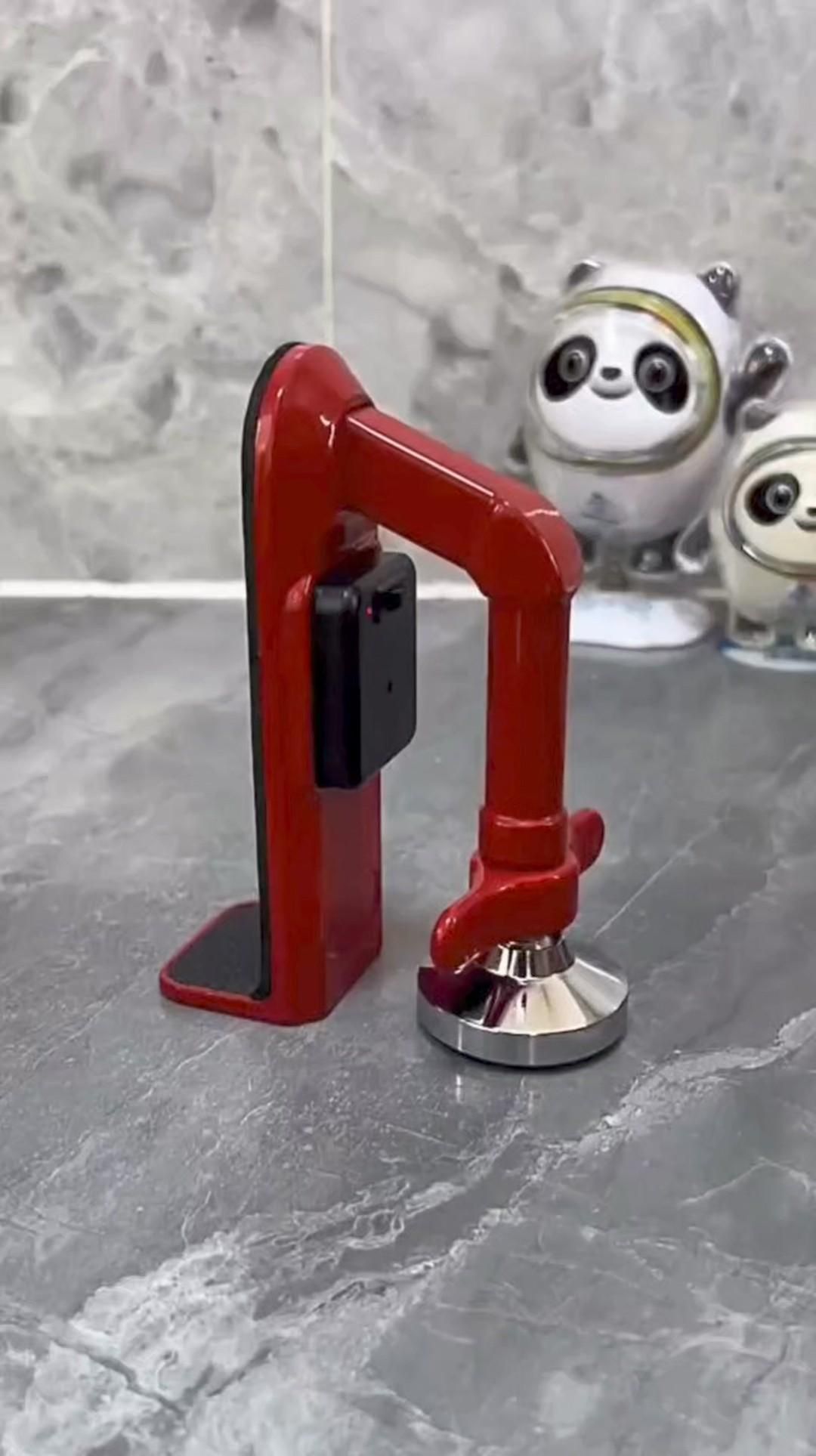
A travel-ready door brace that physically jams entry and adds an instant alarm layer
This compact security tool takes a smarter approach than a basic rubber wedge. Instead of only relying on friction under the door, it uses a screw-down metal foot and a rigid bracing arm to create pressure between the floor and the door area, helping resist forced entry without drilling, screws, or permanent hardware. The attached electronic alarm module adds a second line of defense by alerting you if someone tampers with the door.
The Standout Appeal & Why It Caught Our Attention
What makes this style of stopper interesting is that it combines mechanical resistance with portable electronic warning in one compact unit. Traditional travel locks often work only on certain latch styles, and standard wedges can slide on smooth floors. This design appears built around a more deliberate bracing concept: a tall rear plate sits against the door, while the front arm and adjustable base tighten downward to create a firm jam. It is especially compelling for renters, hotel guests, and apartment dwellers who want extra security without modifying the door.
- No permanent installation means it can move from home to hotel to dorm.
- Visible deterrent design signals that the door is reinforced from the inside.
- Dual protection comes from both physical blocking and an onboard alarm unit.
Key Features & How It Works
The product shown has a red metallic body with a vertical back plate, a hinged or fixed bracing arm, and a threaded screw-down foot ending in a polished metal contact pad. A black pad lining the rear section appears intended to improve grip against the door surface and reduce marring. The small black box mounted on the body is the alarm component, likely battery-powered, with a visible switch or indicator light.
- Adjustable screw mechanism: The lower foot can be turned to extend downward, letting the user fine-tune pressure against the floor.
- Rigid jam geometry: Once positioned at the bottom of the door, the upper section braces against the door while the lower foot locks tension into place.
- Metal contact base: The wide circular foot helps distribute force and improve stability on hard flooring.
- Protective contact surfaces: Dark padding on the rear plate suggests anti-slip and anti-scratch intent.
- Integrated alarm module: Adds an audible alert if the door is pushed or the unit is disturbed.
In practical use, the base is placed at the bottom of the closed door on the interior side. The top section sits snugly against the door while the threaded foot is tightened until the unit is firmly wedged, creating a compressed barrier that makes inward opening much harder.
Practical Everyday Uses
This is the kind of item that becomes valuable in situations where you cannot rely on the existing lock alone.
- Hotel and short-stay travel: Useful for travelers who want a portable secondary barrier on room doors, especially when staying in unfamiliar properties.
- Apartments and rentals: Adds reinforcement without drilling into floors, frames, or doors, making it suitable for lease-friendly security upgrades.
- Dorms or solo living: Offers extra peace of mind at night by combining a physical jam with an alarm if someone tries the door.
Things To Consider Before Buying
As with any door security accessory, performance depends heavily on the door and floor setup. Buyers should check fit and surface compatibility before relying on it as a primary barrier.
- Floor type matters: Very slick, uneven, or soft flooring may affect how well the foot grips.
- Door clearance is important: The bottom gap and frame geometry need to allow the unit to seat correctly.
- Best for inward-opening doors: This style is generally intended for doors that open toward the user from the protected side.
- Alarm power source: Confirm whether the alarm uses replaceable batteries and whether they are included.
- Not a substitute for code-compliant locks: Think of it as an added layer of security rather than a replacement for the main lock.